15% OFF ALL SABERS - UP TO 4 FREE SABERS Learn More
If you want to understand how to make your lightsaber double-sided, Ultrasabers has what you need! Building your own lightsaber is one of the hallmarks of Ultrasabers’ culture. Many sabersmiths eventually want to transform two single hilts into a saberstaff, the imposing double‑bladed weapon made famous by characters like Darth Maul and Asajj Ventress. This guide explains how to connect two lightsabers safely and effectively.
We’ll cover the different coupler styles (flush, quick‑release and vented), how to choose the right fit for your hilts, and tips for achieving the right balance for dueling or display. Whether you want to make your lightsaber double-sided or are simply curious about the lore, this page has you covered.
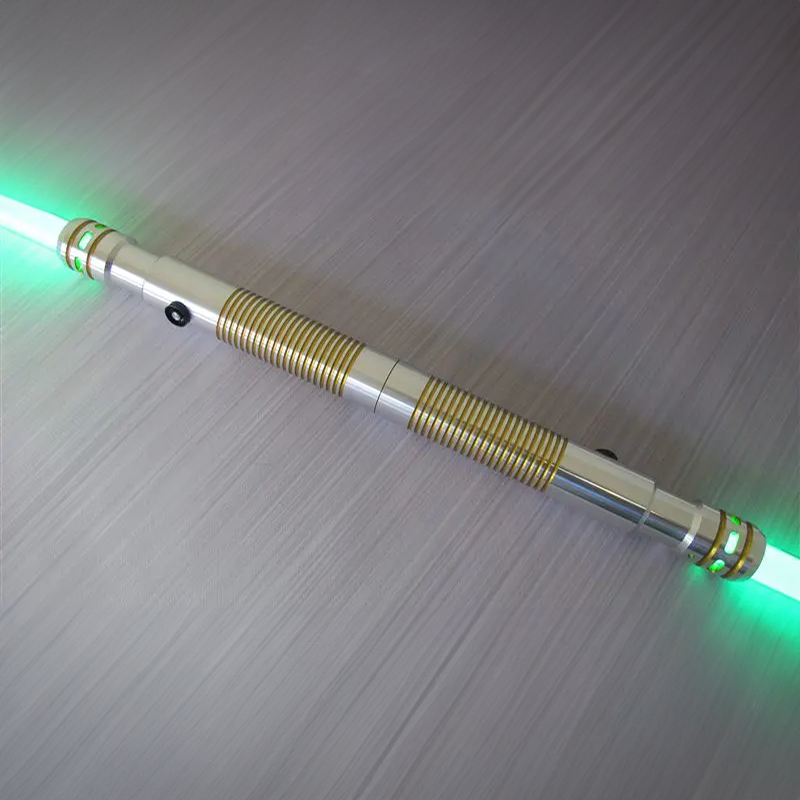
Original price was: $165.00.$140.25Current price is: $140.25.
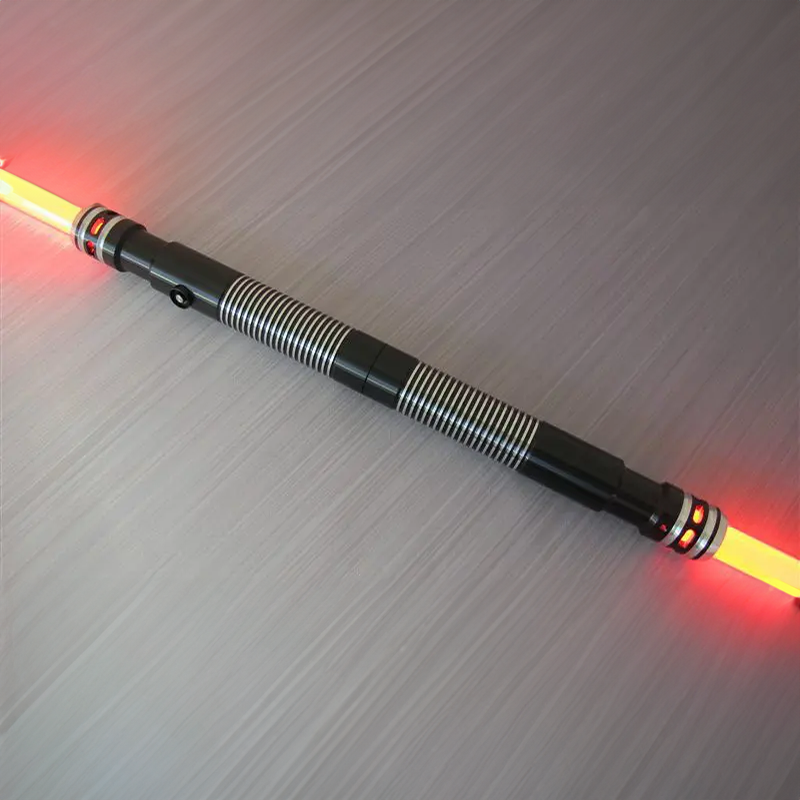
Original price was: $170.00.$144.50Current price is: $144.50.
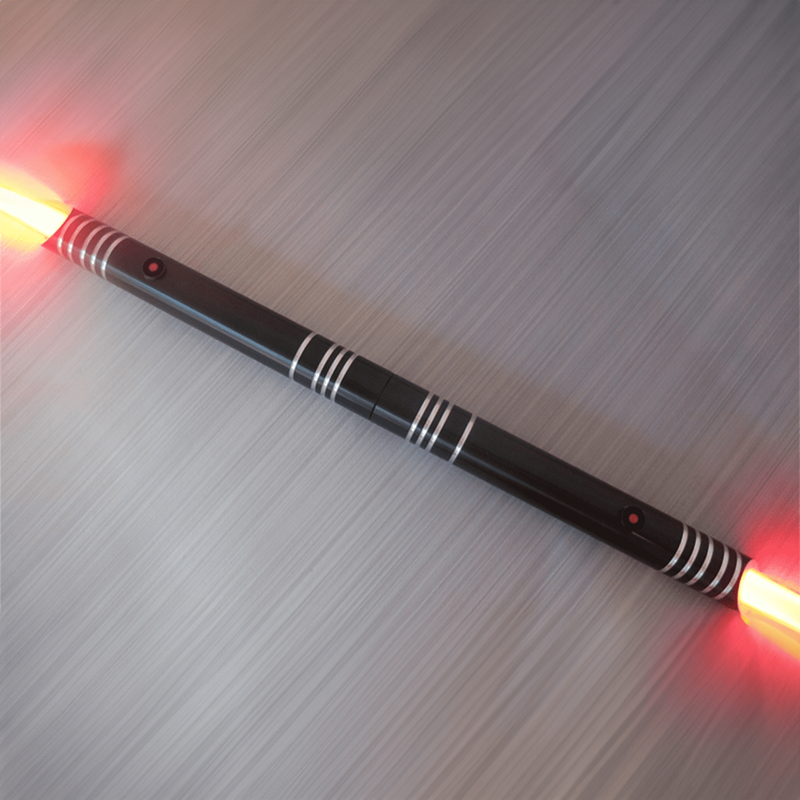
Original price was: $190.00.$161.50Current price is: $161.50.
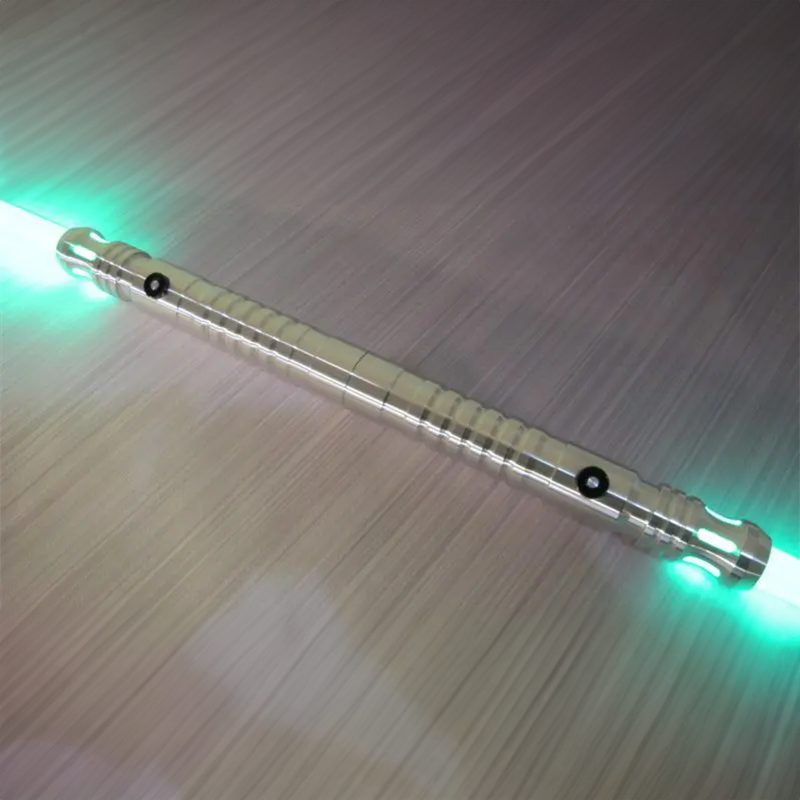
Original price was: $165.00.$140.25Current price is: $140.25.
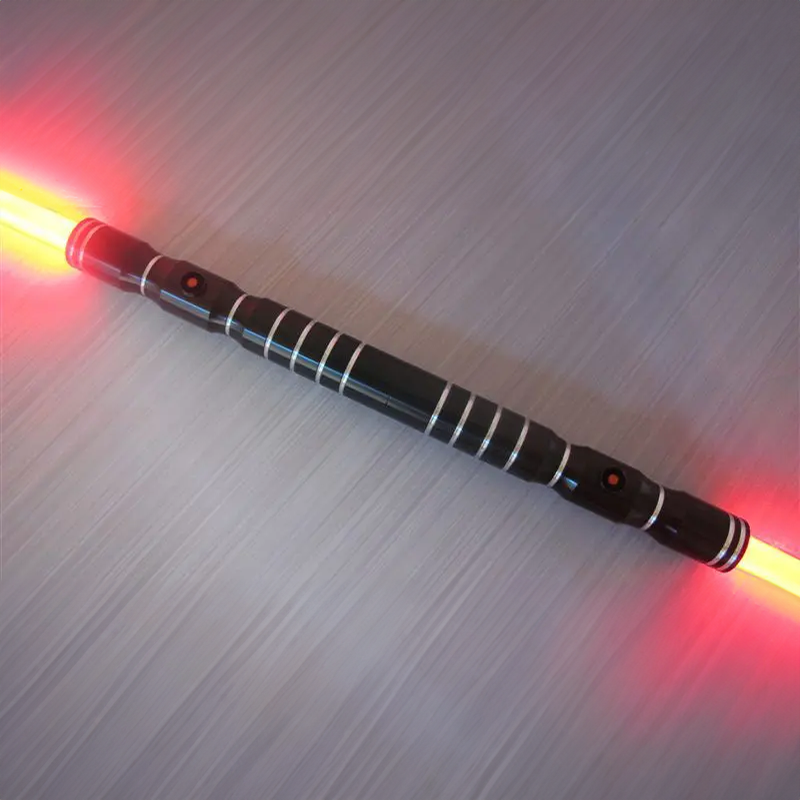
Original price was: $160.00.$136.00Current price is: $136.00.
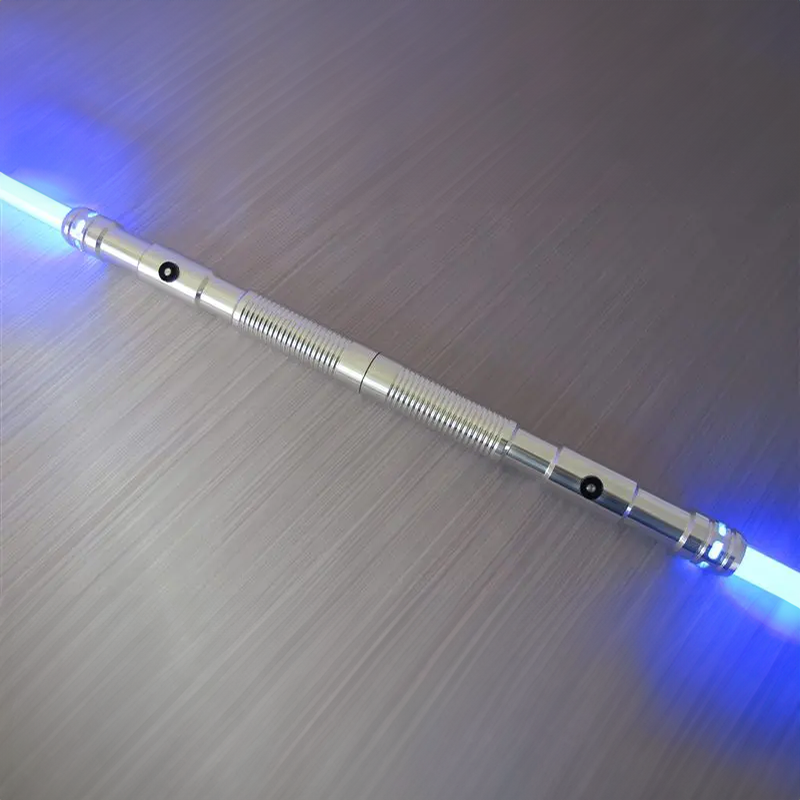
Original price was: $185.00.$157.25Current price is: $157.25.
In both Star Wars canon and Legends, “interlocking hilt” lightsabers (also called paired or form‑shifting sabers) feature dual hilts that can be joined to form a single weapon. They use either a rigid locking mechanism or a flexible fiber cord. The locking mechanism lets the sabers snap together to become a double‑bladed saber, while the fiber‑cord configuration allows the wielder to flail the hilts independently.
Asajj Ventress often uses the locking mechanism in combat. Her curved lightsabers can also be connected by fiber cord, but that configuration is harder to control, even though it offers striking angles traditional staffs lack. These examples inspire today’s collectors and illustrate that combining two sabers is part of the lightsaber tradition.
In order to make a double-sided lightsaber, you need the right connectors. Modern saberstaffs are made by joining two complete hilts with a lightsaber staff coupler, which is a piece of machined aluminum or steel that threads onto the pommel ends. There are three common types:
When selecting a coupler, match the threading and diameter of your hilts. Some couplers are universal, while others are designed for specific Ultrasabers’ hilts, such as the V2 Coupler.
Before purchasing a coupler, run through this checklist:
See exactly how to make a double-sided lightsaber. Watch this video guide on creating a staff with Ultrasabers’ quick-release couplers:
The exact method depends on your coupler type, but the general process follows these steps:
To split the staff back into two single sabers, reverse the process: unscrew the coupler or rotate the quick‑release mechanism in the opposite direction. On spring‑loaded couplers, push the hilts together slightly to relieve pressure and then pull apart.
The terms are often used interchangeably, but a saberstaff typically refers to two lightsabers connected using a coupler. A double-bladed lightsaber may also describe a purpose-built hilt with emitters on both ends. Both configurations feature blades extending from opposite sides of the weapon and offer similar handling characteristics.
First, confirm all threaded connections are fully tightened and that the coupler is designed for your hilt model. If unstable movement persists, inspect the threads and connection points for wear or debris. For rigid stability, use a solid coupler or an adjustable flush coupler.
As with any saberstaff configuration, regularly inspect the coupler and connection points before dueling. For demanding choreography or sparring, always ensure the connection is secure and free of excessive wear.
Some of the most iconic Force users in Star Wars have wielded double-sided lightsabers or saberstaffs. Darth Maul is perhaps the most famous example, using a double-bladed weapon that emphasized reach, speed, and aggressive combat techniques. Other notable users include Asajj Ventress, who could connect her paired lightsabers into a staff configuration, and various Jedi Temple Guards, whose double-bladed sabers became a symbol of their role as protectors of the Jedi Order, along with Cal Kestis, who masters a double-bladed stance during the events of Star Wars Jedi: Fallen Order and Star Wars Jedi: Survivor.
Connecting two lightsabers into a formidable saberstaff is a rewarding project. By selecting the right coupler type and following careful installation steps, you can transform any pair of sabers into a stable staff. Remember to balance performance with safety: choose vented couplers for sound sabers, match your hilts for weight and length, and regularly inspect your coupler and connection points before use.
For inspiration on making a double-sided lightsaber, look to characters like Ventress, whose interlocking hilts show that dual sabers are as much about technique and control as they are about design. Learn even more by reading through our guide, From Staff to Dual Lightsabers: Using a Quick Release Coupler. Once you’re comfortable, experiment with spin moves and choreography, but always practice with proper protective gear.
Ready to build your own saberstaff? Browse Ultrasabers’ selection of couplers, hilts and accessories to find the perfect components for your dream double‑bladed lightsaber.


