
Star Wars fun facts have fascinated fans for decades, offering a deeper look into the galaxy far, far away. From hidden Star Wars easter eggs to behind-the-scenes secrets and random Star Wars trivia, there’s always something new to discover. Whether you’re a casual viewer or a lifelong fan, these interesting facts about Star Wars reveal the stories, surprises, and creative decisions that helped shape one of the most iconic franchises in cinematic history.
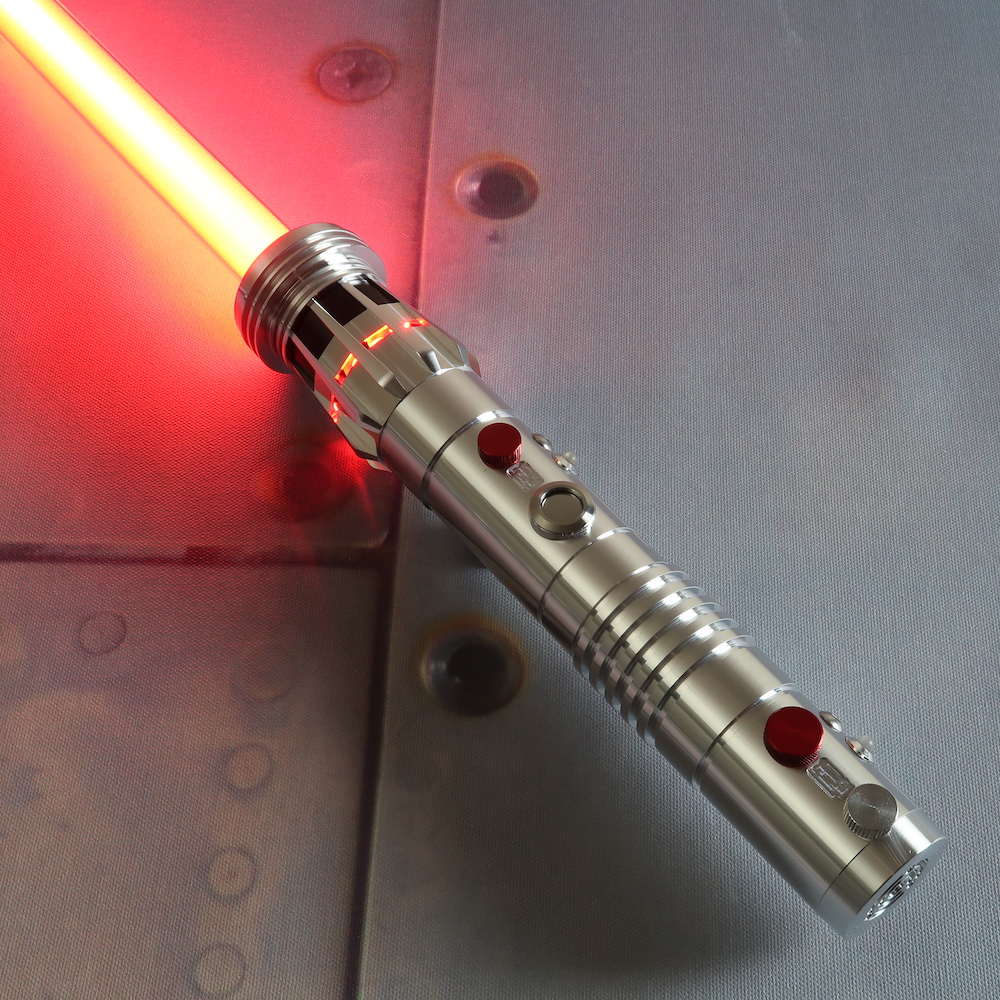
Original price was: $190.00.$161.50Current price is: $161.50.
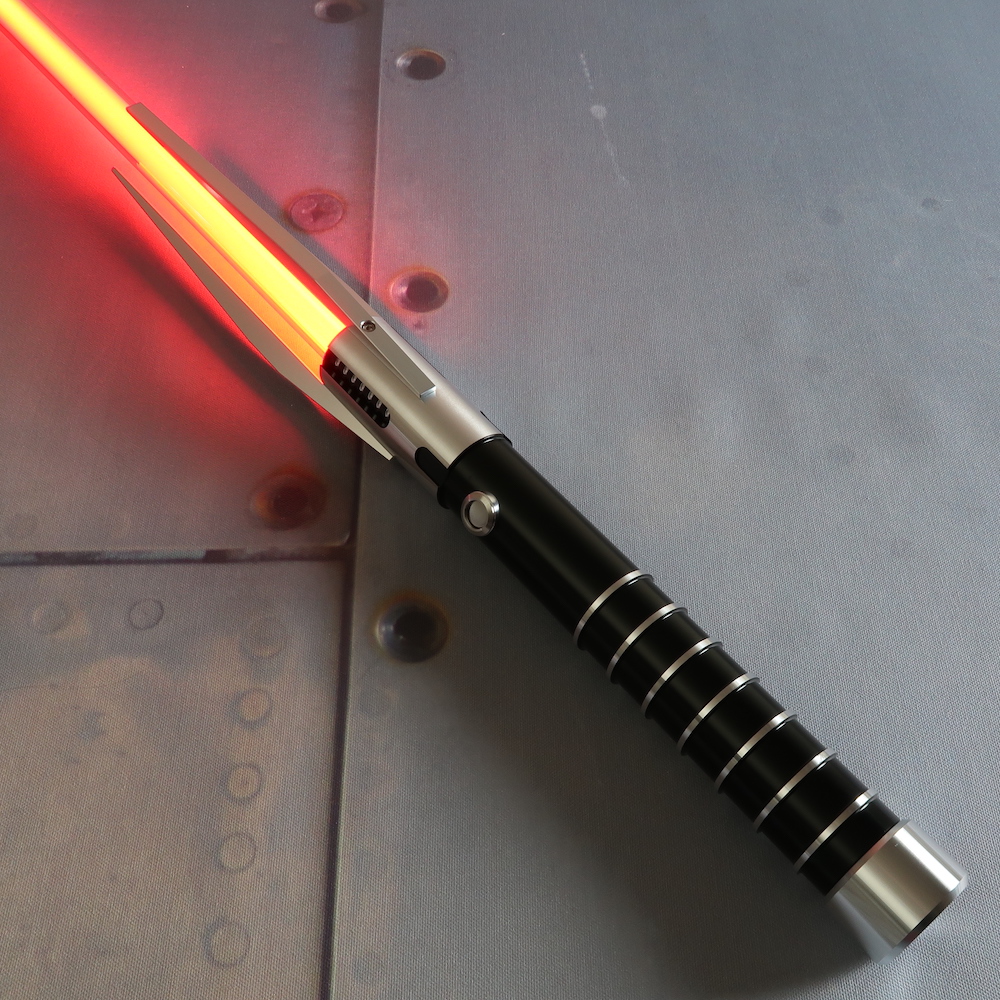
Original price was: $200.00.$170.00Current price is: $170.00.
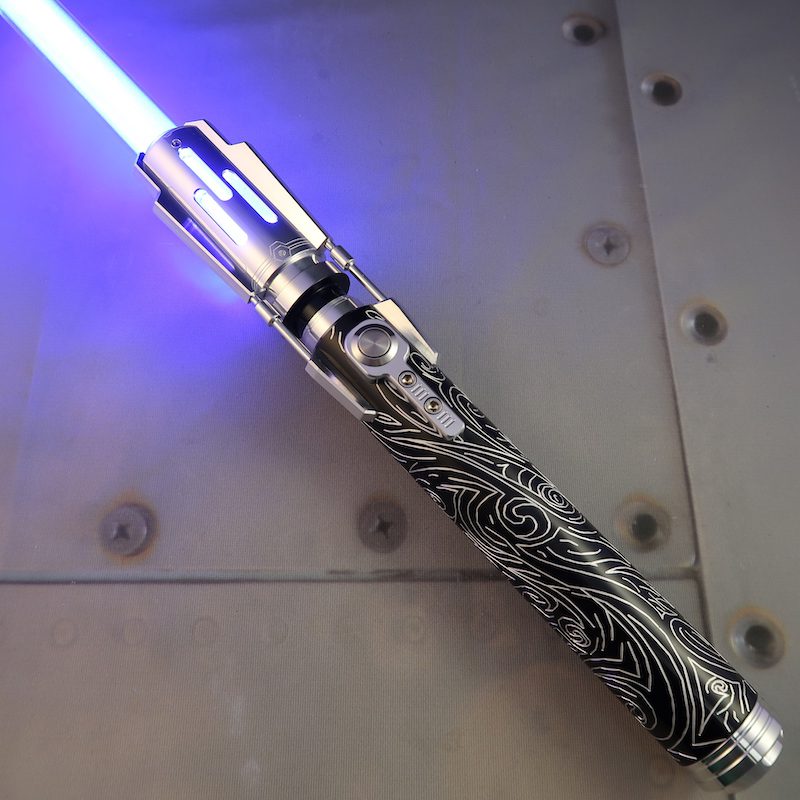
Original price was: $205.00.$174.25Current price is: $174.25.
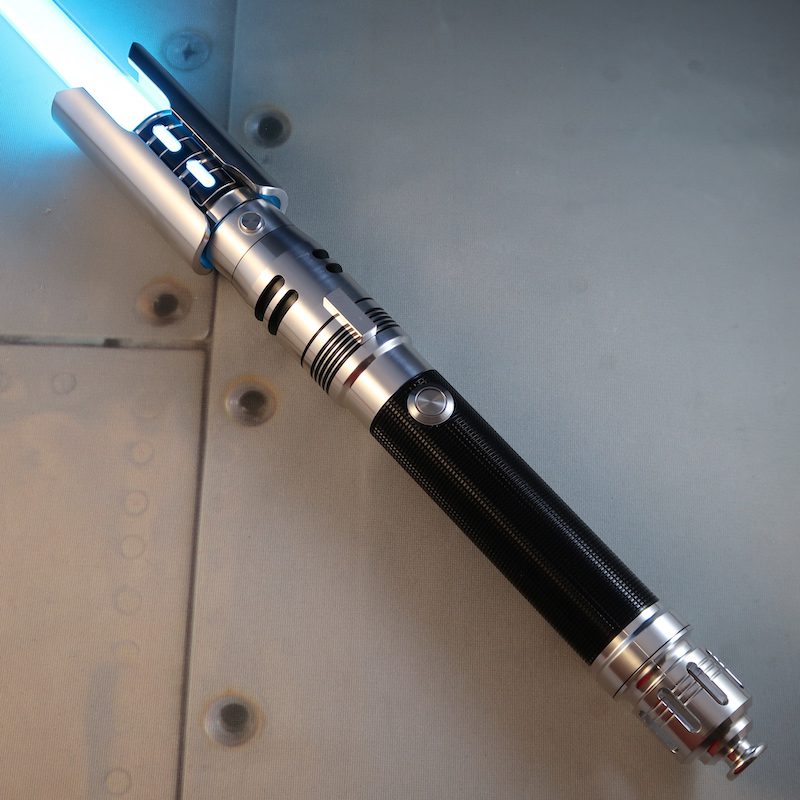
Original price was: $190.00.$161.50Current price is: $161.50.
Original price was: $170.00.$144.50Current price is: $144.50.
Original price was: $200.00.$170.00Current price is: $170.00.
Original price was: $190.00.$161.50Current price is: $161.50.
The Wilhelm Scream (a stock sound effect used in films to depict a character’s exaggerated scream) was used multiple times across the core Star Wars films, with sound designer Ben Burtt even providing one himself during his cameo as Colonel Dyer in Star Wars: Episode VI — Return of the Jedi. Westerns were a major source of inspiration for George Lucas when developing Star Wars, especially films like The Searchers.
That’s no coincidence, as using the Wilhelm Scream in Star Wars was a nod to the original stock sound effect that originated in the western Distant Drums, and its inclusion is one of many little-known Star Wars facts that connect the saga to classic film influences.
Industrial Light & Magic (ILM), the visual effects studio founded by George Lucas, was responsible for the groundbreaking effects in Star Wars as well as films like Jurassic Park, The Goonies, Forrest Gump, and WALL·E. After Star Wars: Episode IV — A New Hope, the team temporarily disbanded and was reassembled for Star Wars: Episode V — The Empire Strikes Back.
Notable ILM alumni include Adam Savage, Grant Imahara, and Tory Belleci of MythBusters, as well as John and Thomas Knoll, the creators of Photoshop. Originally based in Van Nuys, California, ILM is now located in the Presidio of San Francisco, where a Yoda Fountain stands outside the offices, and inside, you might spot icons like R2-D2, Darth Vader, and K-2SO.
Star Wars: Episode III — Revenge of the Sith set a record for the number of visual effects used in a film, with over 2,100 effects shots. The intense Mustafar duel alone required more than 200 artists and over 70,000 man-hours to complete just under a minute of footage. ILM began work on these effects while filming was still underway and continued refining them until just weeks before release. It’s details like these that make for great fun Star Wars trivia questions, showcasing just how ambitious the production truly was.
Not a single Clone Trooper costume was physically created for Star Wars: Episode II — Attack of the Clones. Every Clone Trooper seen on screen was fully computer-generated, making it one of the more surprising and often unknown facts about Star Wars. While a few helmets were produced for reference and motion capture, they do not appear in the final film. This movie also marked the introduction of the fully CG version of Yoda.
George Lucas was fined $250,000 for the way he handled the opening crawl in Star Wars: Episode IV — A New Hope and Episode V — The Empire Strikes Back. He chose not to include the director’s credit at the beginning of the films, which violated the Directors Guild of America rules. Rather than change his creative vision, Lucas paid the fine and ultimately resigned from the guild, one of the more interesting facts about Star Wars production history.
It’s a well-known behind-the-scenes detail that Star Wars actors like Liam Neeson (Qui-Gon Jinn), Ewan McGregor (Obi-Wan Kenobi), and Hayden Christensen (Anakin Skywalker) made their own lightsaber sound effects during filming. George Lucas even had to remind Christensen multiple times to stop adding the noises between takes. Laura Dern (Vice-Admiral Holdo) did something similar in Star Wars: Episode VIII — The Last Jedi, quietly saying “pew pew” while firing her blaster—one of those fun Star Wars trivia moments fans love to spot during rewatches.
During early pre-production, Yoda was initially envisioned as a monkey wearing a mask and using a cane. Fortunately, George Lucas pivoted and brought in Jim Henson’s Creature Shop to create the puppet version of Yoda, with Frank Oz providing the iconic voice and performance. This decision became one of the most important (and most successful) creative changes in Star Wars history.
George Lucas drew heavy inspiration from classic serials like Flash Gordon and Buck Rogers when creating Star Wars. George Lucas based the opening crawl on the opening sequences of Flash Gordon and Buck Rogers, both inspirations for his writing of Star Wars. This connection is one of many Star Wars fun facts that highlight how the saga blends classic storytelling with groundbreaking filmmaking.
Mace Windu is synonymous with Samuel L. Jackson, but he wasn’t the only one to read for the part. Tupac Shakur also reportedly auditioned, according to his recording engineer, Rick Clifford. This piece of casting history has become one of the more talked-about rumors and remains one of the most interesting facts about Star Wars for fans. If Tupac were in Star Wars, it would have been his eighth film role.
Orson Welles was originally the voice George Lucas wanted for Darth Vader, but he was concerned that Welles’s voice would be too recognizable. Instead, he chose the then lesser-known James Earl Jones. Welles is best known for works such as the War of the Worlds radio broadcast, Citizen Kane, and Jane Eyre, making this one of the more fascinating Star Wars character facts tied to casting decisions.
Wicket was originally going to be played by Kenny Baker, the actor who portrayed R2-D2, but he became ill with food poisoning. Warwick Davis took over the role, originally cast as an Ewok extra in Star Wars: Episode VI — Return of the Jedi. Davis based Wicket’s movements on his dog, which is why the character tilts his head from side to side.
How about some Star Wars fun facts about one of the franchise’s biggest stars? Everyone thinks of Luke Skywalker when they think of Mark Hamill, but he had several credits before Star Wars: Episode IV — A New Hope debuted in 1977. Hamill had a recurring role on General Hospital as Kent Murray from 1972 to 1973. He also appeared in The Partridge Family and starred in the short-lived sitcom The Texas Wheelers.
Before portraying Princess Leia Organa in Star Wars: Episode IV — A New Hope, Carrie Fisher made her film debut as Lorna Karpf in Shampoo (1975). She also appeared on television in specials alongside her mother, Debbie Reynolds. These early appearances are among the more interesting facts about Star Wars when looking at the cast’s origins.
Harrison Ford began his career as Harrison J. Ford to avoid confusion with a silent film actor of the same name. His first credited role was in A Time for Killing (1967), followed by numerous TV appearances in shows like Gunsmoke and Kung Fu. Frustrated with limited roles, he turned to carpentry before landing American Graffiti (1973), where George Lucas noticed him. This career path is one of those unexpected and little-known Star Wars facts that highlight how unlikely his casting as Han Solo really was.
Sir Alec Guinness had an extensive career long before playing Obi-Wan Kenobi. With dozens of stage and film credits, including The Bridge on the River Kwai and Lawrence of Arabia, he was already an established actor. He also served in the Royal Navy during World War II. His background adds depth to Obi-Wan Kenobi trivia and the legacy of the original trilogy.
This behind-the-scenes detail is one of many Star Wars random facts tied to the creation of iconic characters: Before portraying Darth Vader, David Prowse was best known for his work in weightlifting and bodybuilding. He also trained Christopher Reeve for his role as Superman. Prowse appeared in several films, including A Clockwork Orange, before being cast in Star Wars.
Anthony Daniels is best known as C-3PO, one of the few actors to appear in every mainline Star Wars film. Before Star Wars, Daniels worked primarily in theater and radio. He initially declined the audition but later accepted, leading to one of the most enduring roles in the franchise, an essential piece of Star Wars character facts.
Peter Cushing began his career on the stage, but within a few years, he had the desire to break into film acting in the United States. With a one-way ticket to California, he quickly joined the cast of The Man in the Iron Mask (1939), followed shortly by A Chump at Oxford (1940). By the time he appeared in Star Wars: Episode IV — A New Hope, he had an extensive resume and was already well known for roles like Van Helsing and Baron Frankenstein.
Peter Mayhew was uncredited in his first role, Minoton in Sinbad and the Eye of the Tiger, which was actually released a couple of months after Star Wars: Episode IV — A New Hope. He was originally discovered because of a newspaper article about men with large feet. When he was cast as Chewbacca, attending the audition because it called for a tall person, he was working as a healthcare assistant and worked as an orderly in between filming the original trilogy.
Before portraying Uncle Owen, Phil Brown started in theater in New York City. He was originally a member of the Group Theatre, but after it shut down, he migrated to Lost Angeles with several of the former members. While there, he helped found the Actors’ Laboratory Theatre.
Once he started to act on film as well as on stage, he acquired 34 credits to his name before donning the traditional Tatooine garb and becoming the guardian of a teenager. His film career started with I Wanted Wings (1941) and included the notable films Calling Dr. Gillespie (1942), Weird Woman (1944), The Luck of the Irish (1948), and The Pink Panther Strikes Again (1976).
Billy Dee Williams originally had no intention of becoming an actor, strictly taking acting jobs to fund his art supplies to fulfill his dream of being a painter. His career started with multiple roles on and off Broadway, the first of which saw him playing a page in The Firebrand of Florence at the age of 7. While in art school, he discovered the Stanislavsky Method of acting and pivoted his primary interest to acting. After working in film and television for over a decade, he landed his breakout role as Gale Sayers in the made-for-TV movie Brian’s Song (1971). He had 10 film credits and 10 television credits prior to gracing the big screen with his portrayal of Lando Calrissian in Star Wars: Episode V — The Empire Strikes Back.
Frank Oz started puppeteering when he was just a child because both of his parents were puppeteers. While apprenticing at Children’s Fairyland of Oakland, he met Jim Henson, who saw great potential in him. At 19, Oz moved to New York to work for Henson on The Muppets. He gives his voice to Miss Piggy, Fozzie Bear, Animal, Sam Eagle, Cookie Monster, Bert, and Grover. George Lucas asked Jim Henson to portray and voice Yoda in Star Wars: Episode V — The Empire Strikes Back, but Henson was busy and recommended Frank Oz for the role. You can now hear that iconic voice and speech pattern in movies, TV, and theme parks around the world.
Ian McDiarmid joined the Royal Shakespeare Company in 1974 at the age of 30 after making his stage debut in Hamlet two years prior. In 1976, he began taking minor parts in film and television while starring in plays across England. His work and use of prosthetics convinced George Lucas that McDiarmid could convincingly play an older character and would work fine with the prosthetics needed to replicate the look of Emperor Palpatine created in Star Wars: Episode V — The Empire Strikes Back. Because he was much younger than his character (39) when Star Wars: Episode VI — Return of the Jedi was released, this made it easy to continue casting him as a younger (and older) version of Sheev Palpatine through the years.
The scene in Star Wars: Episode VIII — The Last Jedi where General Leia slaps Poe Dameron (played by Oscar) required multiple takes—at least 27, and possibly over 40 depending on the source. This moment has become one of the more amusing Star Wars random facts and a favorite among fans revisiting the sequel trilogy.
The Han and Leia “I love you,” “I know” scene immediately became a staple when it comes to Star Wars fun facts. That’s because one of Han Solo’s most iconic lines was ad-libbed. In Star Wars: Episode V — The Empire Strikes Back, the response to Leia’s “I love you” in the original script was “I love you, too,” but both the director and Harrison Ford felt that wasn’t how Han would respond. Thanks to some clever directing and Ford being caught off guard during a take, we got the ever-quotable “I know.”
While developing the original and prequel trilogies, George Lucas briefly considered the idea that Darth Vader and Boba Fett were brothers. He ultimately scrapped the concept, calling it “too hokey.” Fett was also originally intended to be the main antagonist in Star Wars: Episode VI — Return of the Jedi, another piece of Return of the Jedi trivia that never made it to screen.
Everyone’s favorite foundling almost didn’t make it into The Mandalorian. While Favreau wanted to include a baby Yoda character in the show, Filoni was hesitant. In the end, Grogu made it onto the show under Filoni’s watchful eye to make sure that they did justice to the race of one of George Lucas’ favorite characters.
Luke’s newly constructed lightsaber in Star Wars: Episode VI — Return of the Jedi was originally going to be blue to match Obi-Wan’s. While in post-production, it was decided that it would be changed to a green blade because the blue blade kept getting lost in front of the clear blue sky of Yuma, Arizona. The blue lightsaber did, however, make it into the original teaser trailer for the movie.
A disco version of the Star Wars theme song, titled “Star Wars Theme/Cantina Band,” became a #1 hit on the Billboard charts in 1977, holding the top spot for two weeks. This unusual success remains one of the more surprising and a favorite among random Star Wars facts.
JC Chasez, Kris Kirkpatrick, and Joey Fatone of *NSYNC, as well as Joey’s brother Steve, were supposed to cameo in two scenes of Star Wars: Episode II — Attack of the Clones as Jedi. Both scenes were ultimately cut, so they didn’t get to say Bye, Bye, Bye to any Battle Droids on screen.
R2-D2 once appeared on Sesame Street, where he hilariously “fell in love” with a fire hydrant. With some encouragement from C-3PO, the astromech found his match in this memorable crossover episode, which aired in 1980. It remains one of the more bizarre yet fun crossover moments in Star Wars history.
George Lucas drew inspiration for AT-AT walkers from H.G. Wells’ War of the Worlds tripods. Phil Tippet, one of the animators on Star Wars: Episode V — The Empire Strikes Back, took inspiration from the Paraceratherium, an extinct variety of Rhinoceros, for the shape and movements of elephants. The stop motion frames had the AT-ATs looking more jerky than intended, but it was kept because it matched the mechanical nature of the vehicles. Another related random fact about Star Wars’ AT-AT walkers is that Ben Burtt used a punch press to make the sound of the walker’s steps.
There were 15 different R2-D2 models used in Star Wars: Episode II — Attack of the Clones. Eight were radio-controlled, Kenny Baker operated two, and the rest were puppeted. One of the engineers working on the radio-controlled versions was Grant Imahara, later known for MythBusters.
Yes, the little bird-like creatures in Star Wars, porgs, were created because of puffins. During filming on Skellig Michael, it would have been too expensive to digitally remove the native puffins, so the production team incorporated them into the story as these creatures.
Boba Fett’s first appearance in a galaxy far, far away was actually in the Star Wars Holiday Special, not Star Wars: Episode V — The Empire Strikes Back. He originally appeared on Earth at the San Anselmo County Fair parade a couple of months before the special aired on CBS.
Star Wars: The Clone Wars started as a 2D cartoon on Cartoon Network, developed and animated by the creator of Dexter’s Laboratory and Samurai Jack. The cartoon introduced Asajj Ventress and General Grievous, but Ahsoka was notably absent. The show was developed to bridge the gap between Episodes II and III, and served as a launching point for the cartoon we all know today. It ran for three seasons from 2003 to 2005 and can be streamed on Disney+.
An airline company out of Japan, All Nippon Airways (ANA), has a pair of Star Wars-inspired Boeing Jets based on R2-D2 and C-3PO. The R2-D2 787-9 flies internationally, while the C-2PO 777 flies domestically in Japan. The jets were unveiled in 2015 and were used to shuttle the cast and crew of The Force Awakens between premieres in the U.S. and London.
Star Wars fun facts continue to reveal just how much depth, creativity, and history exist behind every scene, character, and design choice, from lightsaber colors to machinery sounds. From behind-the-scenes decisions to unexpected easter eggs, these interesting facts about Star Wars show that there’s always something new to discover, no matter how many times you revisit the saga.


